


Empowering Islands: BINUS University Leads Sustainable Development Initiative in Panggang and Pramuka Islands. Project Code: PP0070107
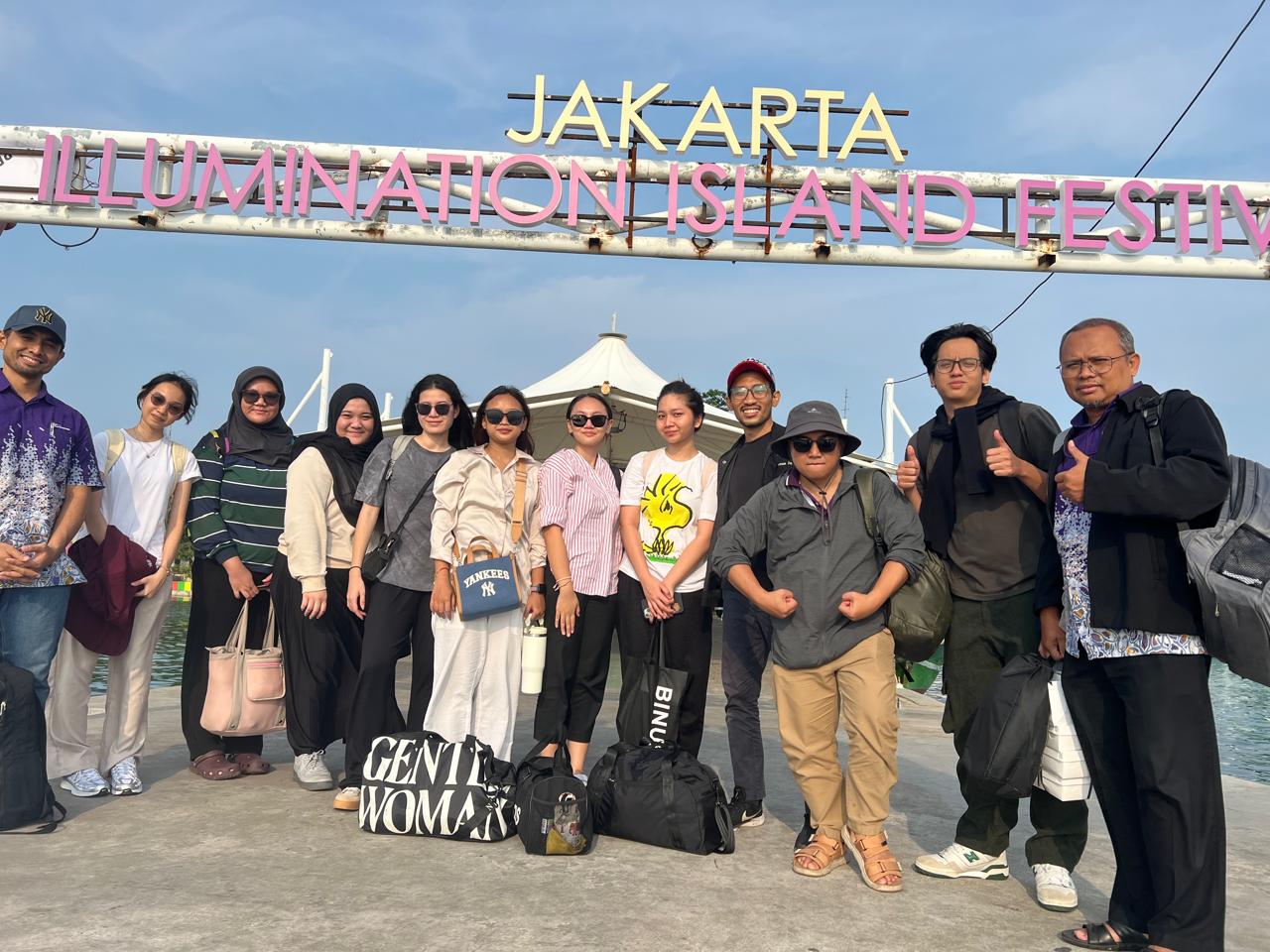
Seribu Islands, Indonesia – July 2025 – BINUS University has reaffirmed its commitment to sustainable development through a dynamic, community-based program on Panggang and Pramuka Islands in the Seribu Islands, Jakarta. Spanning July 17–18, 2025, the initiative integrates education (SDG 4), gender empowerment (SDG5), digital innovation (SDG 8), and cross-sector partnerships to uplift local communities through sustainable tourism (SDG 17).
Academic-Policy-Private Sector Collaboration
The project, coded PP0070107, was a joint effort between BINUS University and key national institutions, including the Ministry of National Development Planning (BAPPENAS), the Geospatial Information Agency (BIG), and the Ministry of Women’s Empowerment and Child Protection (KPPPA). It also received support from private sector partners such as Cartenz (e-Government solutions) and Ratapai (Split Payment systems).
This collaboration brought together academic insights, government planning, and technological innovation to empower micro, small, and medium enterprises (MSMEs) and improve the socio-economic resilience of coastal communities.
Capacity Building Through Hands-On Learning
The week-long program featured a series of training and development sessions focused on community-based tourism, digital literacy, and women’s entrepreneurship. Highlights included:
- Women’s Empowerment Workshops: Local women—particularly fishermen’s wives—received hands-on training in processing marine products like salted fish and crackers into marketable souvenirs. The initiative helped women increase household income and assert stronger economic agency.
- English for Tourists Training: Community members participated in practical English language courses to improve communication skills for serving international visitors—an essential asset in the tourism economy.
- Digital Marketing and E-Commerce: Residents were trained in branding, storytelling, and online sales to boost product visibility and reach broader markets. The program supported digital transformation among local entrepreneurs.
- Multi-Stakeholder Forum: A public forum facilitated dialogue among BINUS, local leaders, and government agencies. The discussions culminated in a joint commitment to ongoing mentorship and community-led development planning.
Advancing the Sustainable Development Goals
The initiative aligns closely with the United Nations Sustainable Development Goals (SDGs), particularly:
SDG 4: Ensuring inclusive and equitable Quality Education for the locals.
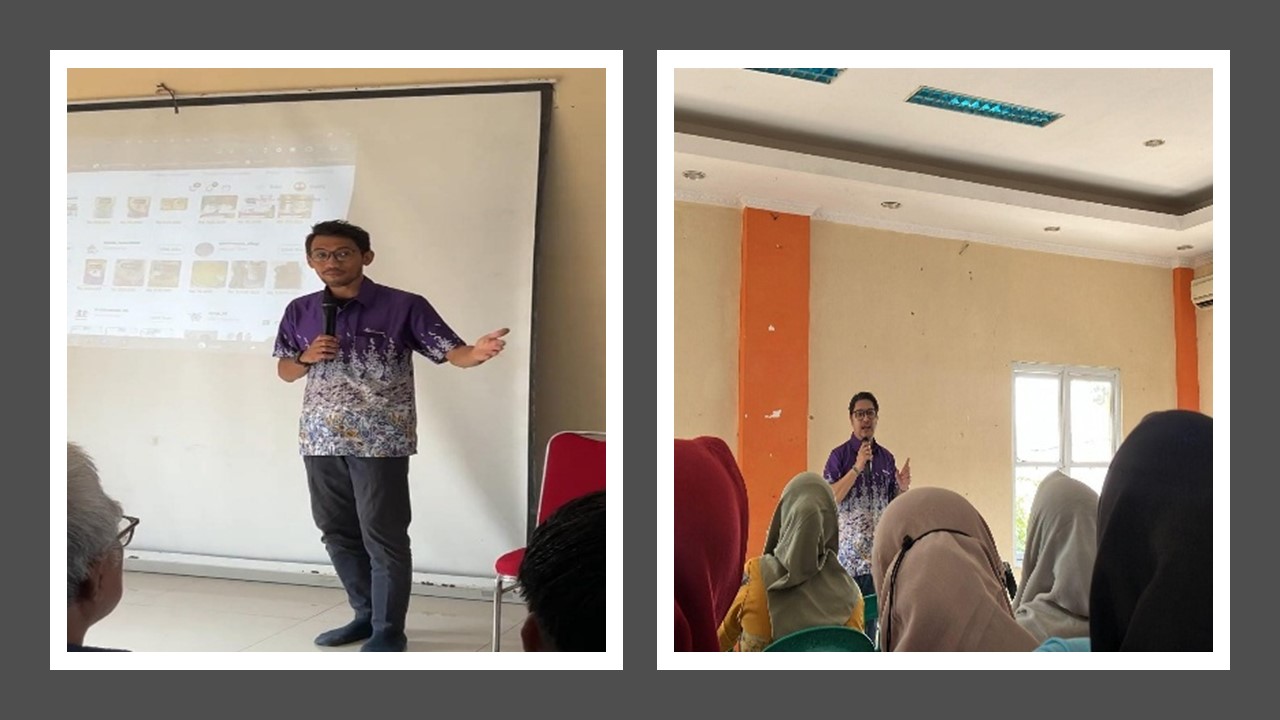
Photo: Ensuring inclusive and equitable Quality Education for the locals
SDG 5: Gender Empowerment and Economic Growth Education for Local Women by enchanting local entrepreneurship.
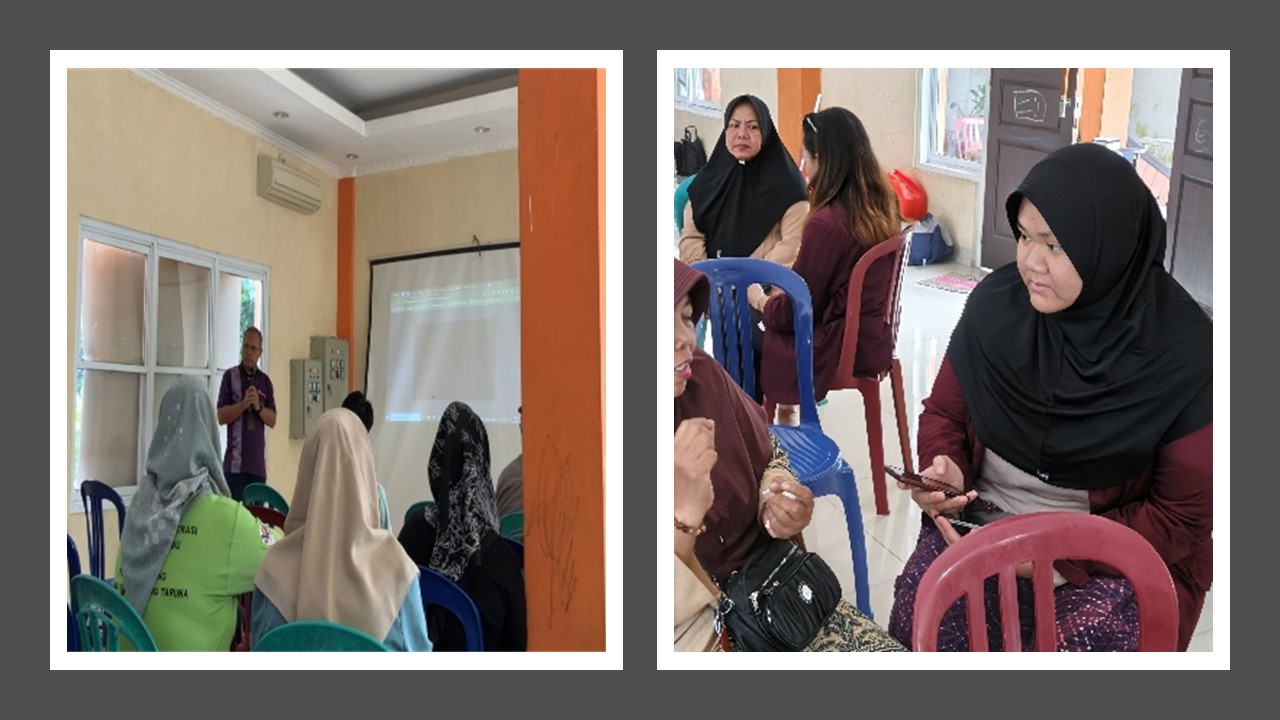
Photo : Gender empowerment and education training for Local women
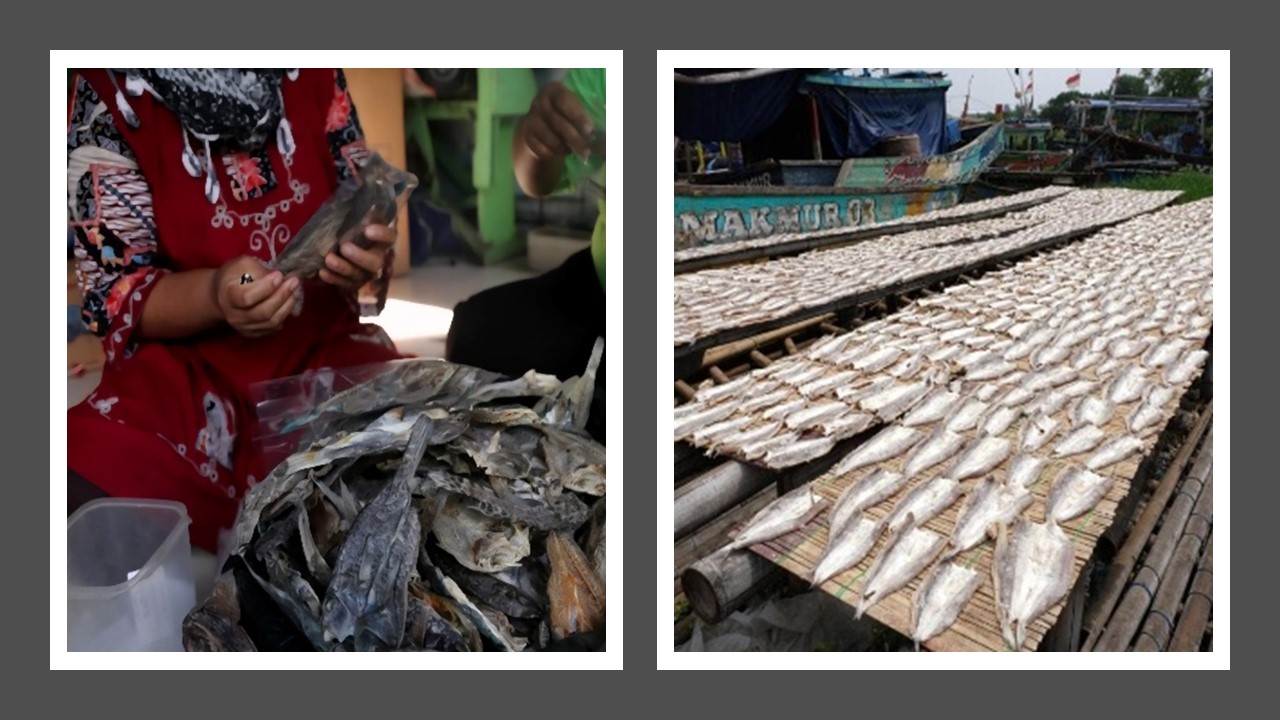
Photo: one of the Local Product in Panggang Island, Seribu Island. Salted Fish.
SDG 8: Promoting sustainable economic growth in Digital Marketing and E-commerce Strategy
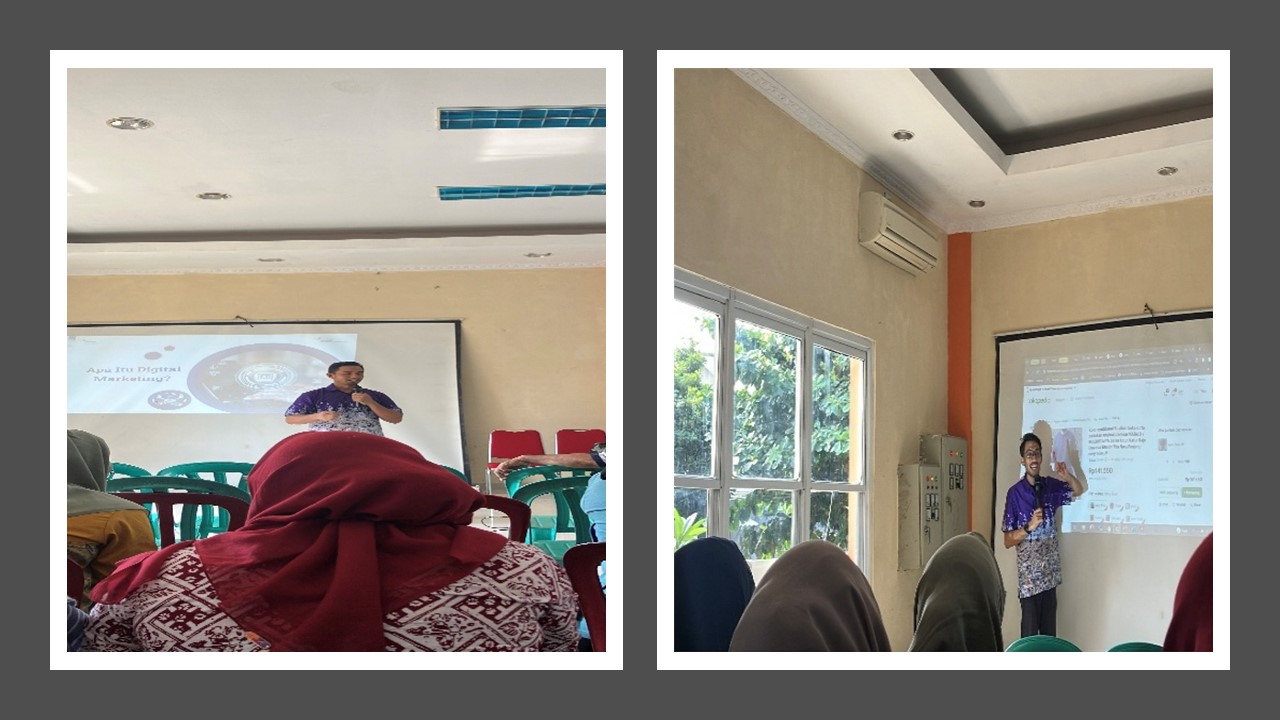
Photo: Workshop on Digital Marketing and E-commerce strategy
SDG 17: Institutional Commitment and global partnerships for local progress
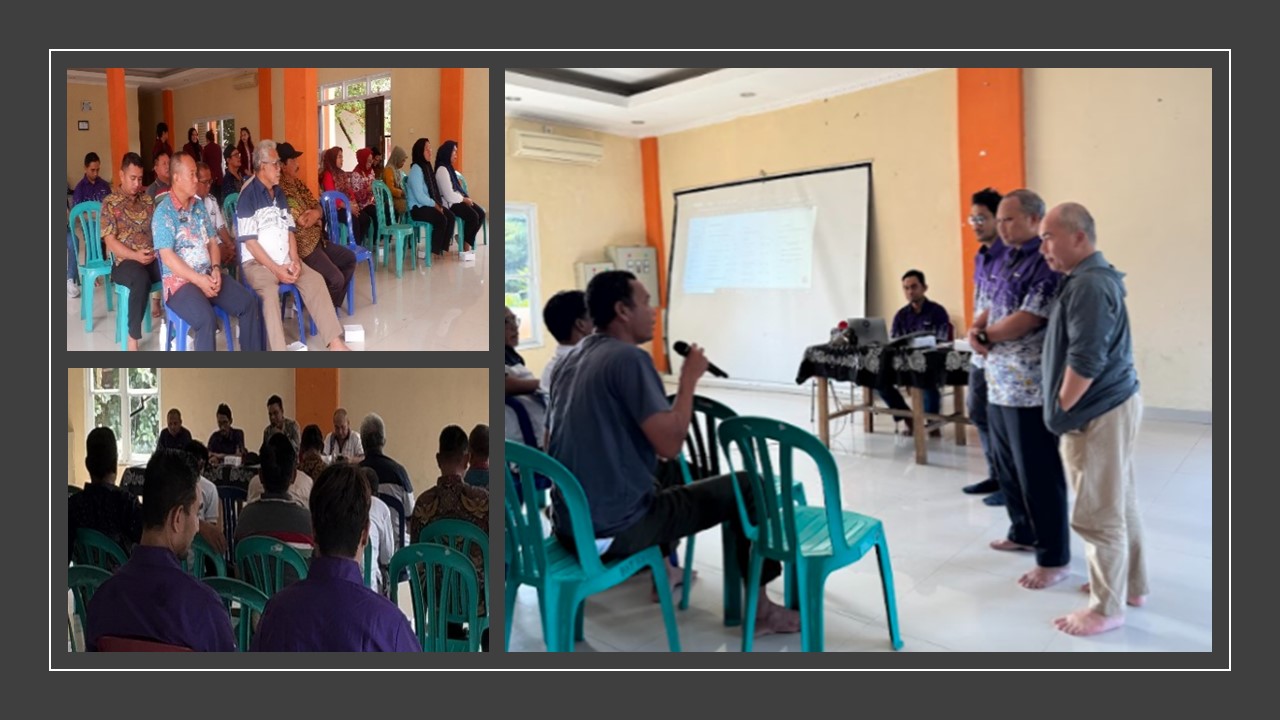
Photo: A collaborative gathering with stakeholders who contributed to the formation of Panggang Mandiri Bahari
Lasting Community Impact
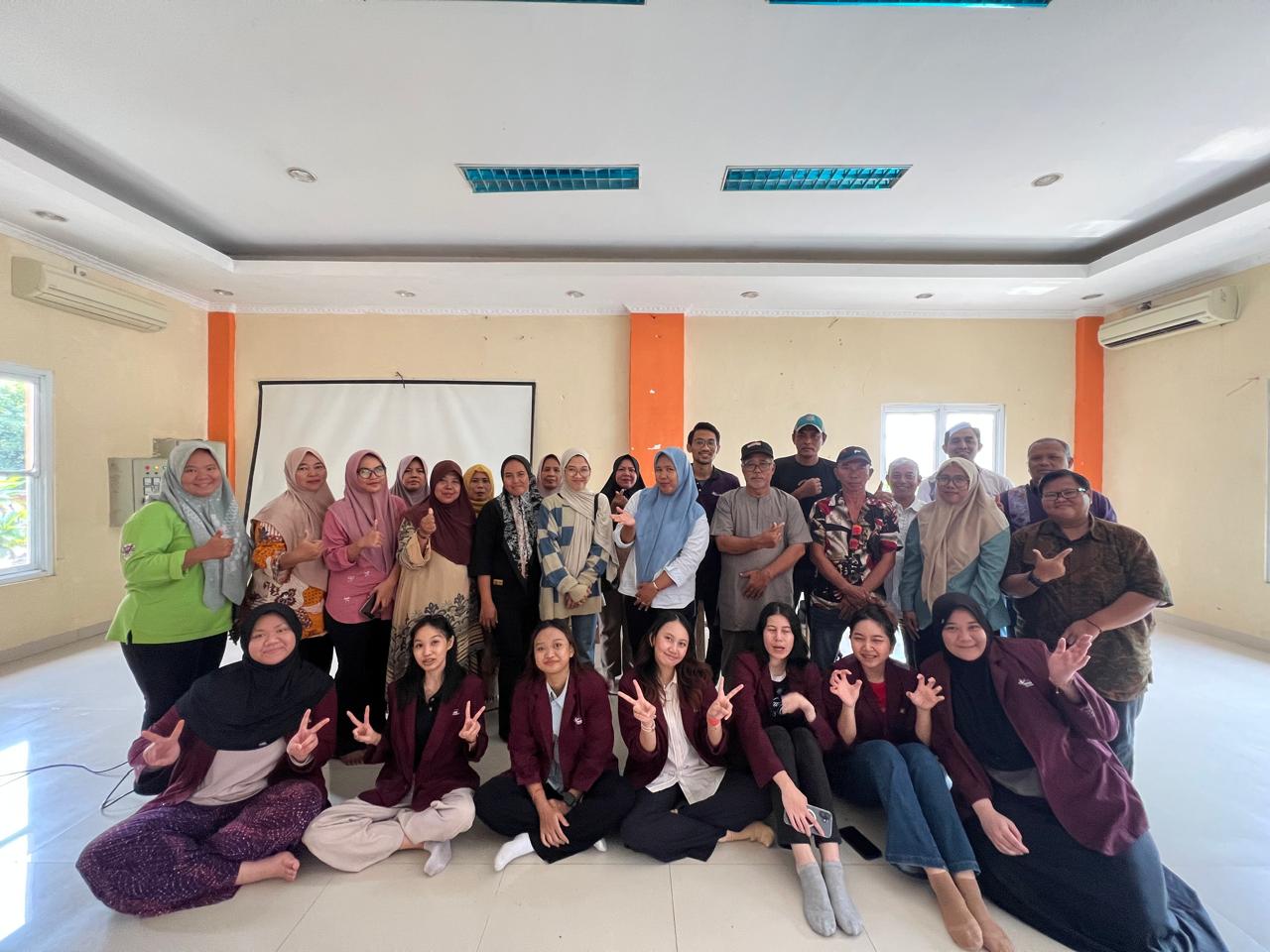
The two-day event successfully mobilized a wide network of stakeholders—local government, academics, youth, and entrepreneurs—to co-create a blueprint for sustainable island development. Women were trained to turn traditional marine products into market-ready souvenirs, while youth engaged in tourism planning, branding, and conservation dialogue.
One of the most notable outcomes was the establishment of Panggang Mandiri Bahari, a locally driven tourism community initiated through the collective effort of BINUS University and its partners. This grassroots organization exemplifies a bottom-up approach to tourism development, empowering residents to take ownership of their island’s future. It directly supports SDG 17 (Partnerships for the Goals) by institutionalizing collaboration between academia, government agencies, private sector players, and local communities.
As a result of the program, new income streams were established, local tour guide networks were organized, and strategic branding for local products began to take shape. These integrated efforts have laid the foundation for Panggang and Pramuka Islands to evolve into inclusive, self-sufficient tourism destinations, rooted in local identity and sustained through multi-stakeholder partnerships.
Conclusions
BINUS University’s social empowerment initiative exemplifies the transformative potential of academic-led community development. Through cross-sectoral cooperation and grassroots engagement, the program delivered tangible economic and social benefits while reinforcing global development goals. With strengthened local capacity and a commitment to sustainability, Panggang and Pramuka Islands are poised to thrive as models of resilient, people-driven tourism.